
Rural revitalization requires both shaping the form and forging the soul.
Space is the container of culture, and design is the brushstroke for revitalization. Our School of Art faculty team has deeply cultivated the land of Nanhua in Yunnan, grounding their work in regional culture, ethnic characteristics, and industrial needs. They leverage their professional design capabilities to intervene in the renewal and creation of rural public spaces, cultural and tourism blocks, and ethnic minority parks. They deeply integrate modern design language with ethnic minority customs, local textures, and ecological foundations, creating a series of spatial works that are aesthetically pleasing, experiential, operational, and inheritable. They illuminate harmonious villages with the power of design and empower industrial development with the beauty of art, writing a vivid chapter in the practice of university-local collaboration and art-driven rural revitalization.
This presentation showcases four core design works: the Zhishan Yi Embroidery Museum, the Colorful Yi Embroidery Workshop, the Folk Custom Street, and the Yulu Ayalu Traditional Chinese Medicine Agricultural and Cultural Tourism Base, demonstrating the mission and achievements of art serving the local community and culture taking root in the countryside.
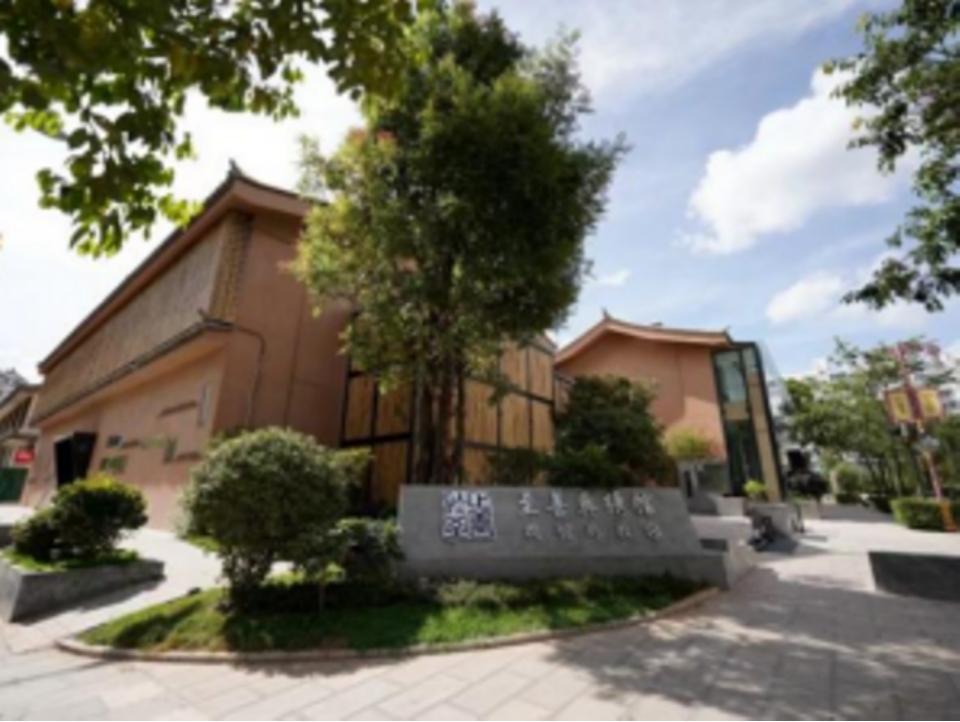
The Zhishan Yi Embroidery Museum and Yuexiu Study Room, a new type of cultural space in Nanhua County, was designed by Associate Professor Zhang Zhixian of the School of Art at Southeast University. In 2024, it stood out from 2212 entries in the "Most Beautiful Public Cultural Space" competition across the Yangtze River Delta and some provinces and cities nationwide, winning the "Most Beautiful Public Cultural Space Award." This small space embodies cultural responsibility, and its ingenious design interprets the original intention of "utmost goodness."
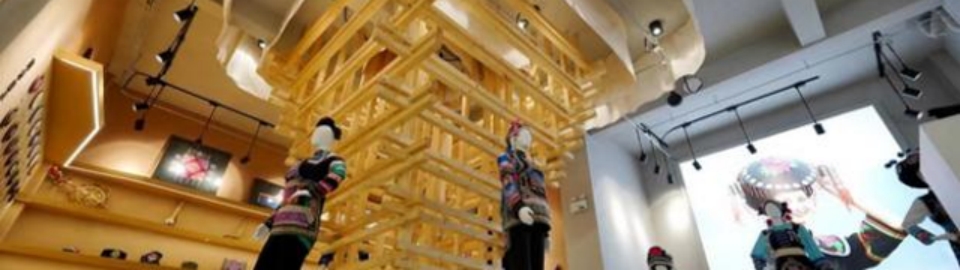
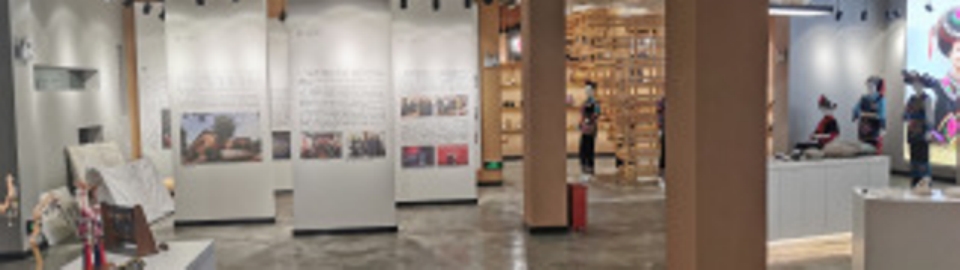
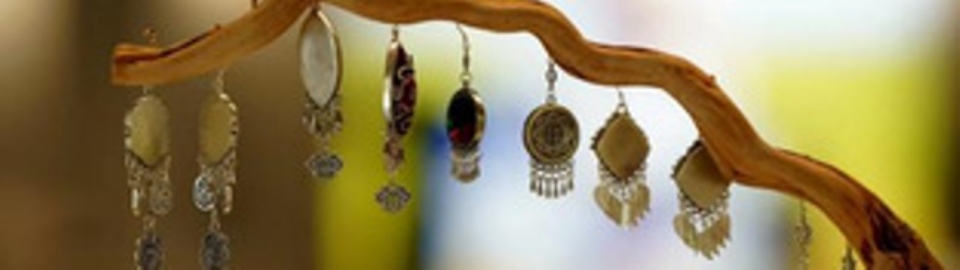
"The way of the university lies in manifesting virtue, in loving the people, and in abiding in the highest good." The motto of Southeast University, "Abiding in the highest good," serves as the guiding spirit for the team's dedication to serving the rural areas of Nanhua. The Zhishan Yi Embroidery Museum takes its name from this, signifying that with good intentions as its initial aspiration and design as its bridge, it aims to promote the inheritance of ethnic culture and empower rural industrial development.
This space integrates Yi embroidery display, skill inheritance, research and reading, and business incubation, with the concept of "passing on cultural heritage through needle and thread, and enriching the Yi countryside with the fragrance of books," blending intangible cultural heritage with modern public functions. The facility includes an intangible cultural heritage exhibition hall, master workshops, study rooms, and the Yuexiu Study Room, with a collection of books covering ethnic crafts, art design, and other fields. It provides a platform for embroiderers to exchange ideas and creates a "cultural living room in their neighborhood" for the public. It truly practices the principles of "cultivating people through culture, promoting industry through art, and enriching the people through kindness."


