


On the morning of May 25, 2026, the opening ceremony of the 2026 Training Program for Art Research Talents in Ethnic Minority Areas, hosted by the Guangxi Zhuang Autonomous Region Institute of Ethnic Culture and Art and organized by the School of Arts of Southeast University, was held at the Jiulonghu Campus of Southeast University. More than 60 key personnel from the Guangxi cultural and tourism system in the fields of cultural and artistic theory and creative research gathered in Nanjing to begin several days of intensive study and exchange.

Xu Xiaoming, Secretary of the Party Committee, Dean, and Editor-in-Chief of *Ethnic Arts*, Researcher at the Guangxi Zhuang Autonomous Region Institute of Ethnic Culture and Art; Professor Wang Lusheng, Director of the Social Sciences Department of Southeast University; Fang Lili, Specially Appointed Chief Professor; Cheng Wanli, Vice Dean of the School of Arts; Dong Tiantian, Vice Dean of the School of Arts; and other leaders and guests attended the ceremony. Renowned figures in the industry, including Zhang Shuping, a national-level representative inheritor of Guiju Opera (a type of traditional Chinese opera), Liang Sumei, a national-level representative inheritor of Yueju Opera (another type of traditional Chinese opera), and Ha Dan, a Zhuang Opera performing artist, witnessed the opening of the program. The ceremony was presided over by Professor Cheng Wanli, Vice Dean of the School of Arts of Southeast University.
In his address, Director Wang Lusheng stated that Southeast University adheres to its motto of "Striving for Perfection" and upholds the educational philosophy of "Reputing for Science and Serving the Nation with Talent," placing great emphasis on the high-quality development of philosophy, social sciences, and arts disciplines. The university's School of Arts, leveraging its A+ disciplinary advantage in art theory, has long been deeply involved in intangible cultural heritage protection, rural arts development, and the inheritance and innovation of ethnic culture, accumulating solid experience in serving the cultural revitalization of ethnic minority areas. This training program is a pragmatic measure to deepen university-local collaboration and promote arts and research exchanges between the east and west of Jiangsu and Guangxi. Southeast University will fully provide high-quality teaching resources and service guarantees to help enhance the capabilities of arts and research talents in ethnic minority areas.
In her address, Dean Xu Xiaoming thanked Southeast University for its meticulous preparation. She pointed out that Guangxi boasts a profound ethnic cultural heritage and abundant artistic resources, with its intangible cultural heritage treasures such as Guiju Opera, Cantonese Opera, and Zhuang Opera shining brightly. This training program focuses on enhancing artistic research capabilities, meticulously designing modules on cutting-edge artistic methods, academic norms, project application, research transformation, exchanges between Suzhou and Guangxi opera, and field research. It aims to help participants broaden their academic horizons, solidify their research foundation, and improve their practical skills, injecting strong momentum into the inheritance and innovation of Guangxi's ethnic cultural arts. She hopes all participants will cherish this learning opportunity, gain knowledge and insights, and closely integrate cutting-edge concepts with Guangxi's practices to produce more high-quality results.
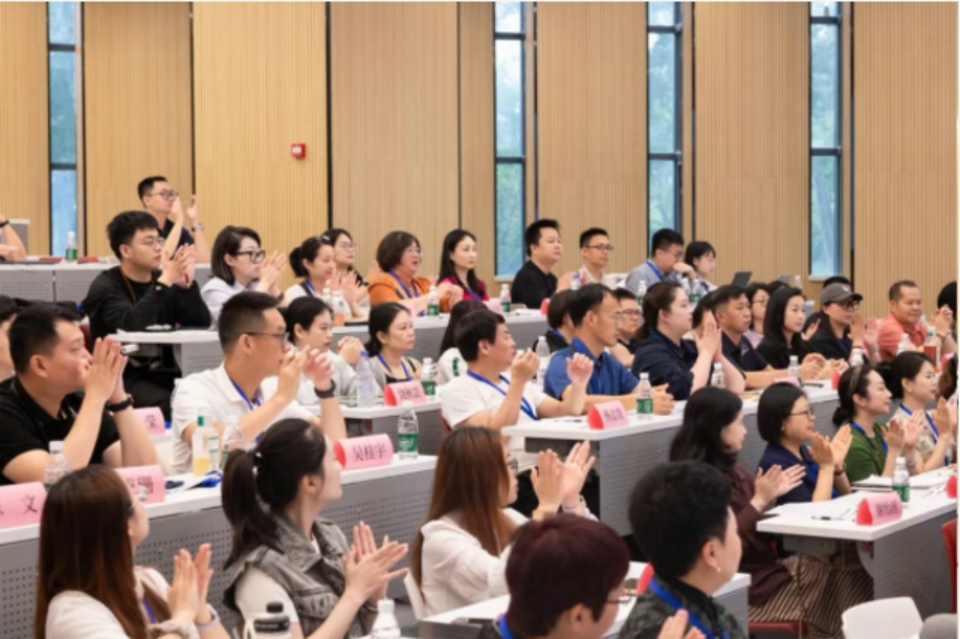
This training program brings together top experts and scholars from both inside and outside the university, as well as renowned opera performers. It employs a combined approach of theoretical lectures, expert dialogues, case studies, and field research. The curriculum covers cutting-edge topics such as theater ethnography, academic writing, cultural and creative development, and the revitalization of intangible cultural heritage. Field trips to intangible cultural heritage exhibition halls and ceramic museums are also arranged, achieving a deep integration of classroom and fieldwork, theory and practice.


